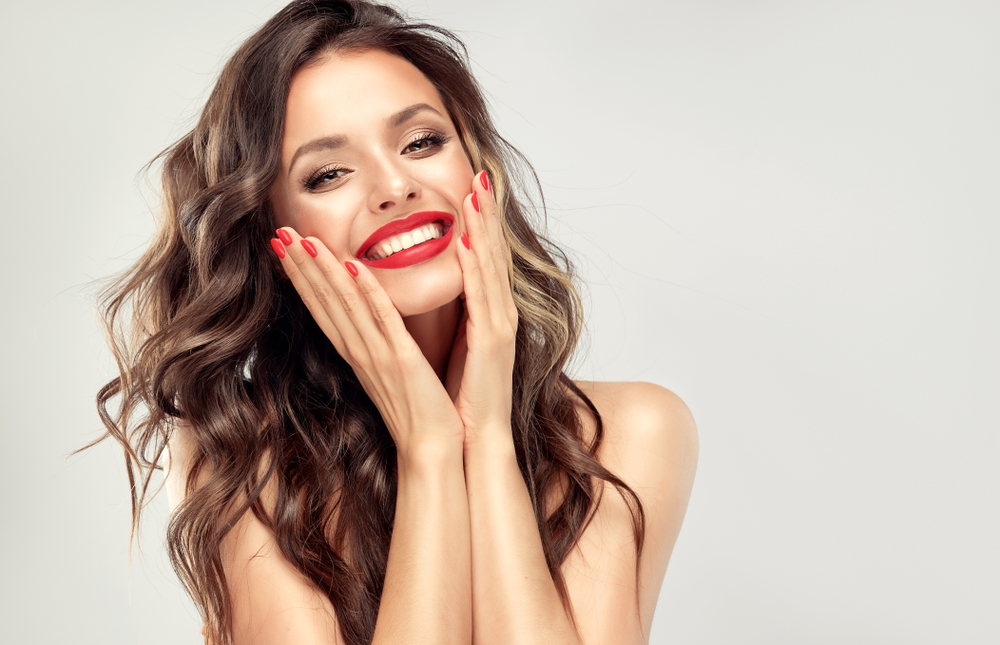
Modeling is an art form that has mesmerized people around the world for decades. It is a glamourous profession that showcases the beauty and grace of individuals who possess the ability to captivate an audience with their poses and expressions. Behind the scenes, however, lies a world filled with dedication, hard work, and creativity. From the runways of high fashion to the studios of photoshoots, the art of modeling is a complex and fascinating industry that deserves closer examination.
Modeling can be traced back to ancient times, where statues and paintings depicted individuals with idealized proportions and stunning aesthetics. Fast forward to the early 20th century, and modelling as we know it today began to take shape with the rise of fashion photography and the emergence of fashion magazines. Models became the face of brands, representing not only the clothes but also the ideals and aspirations associated with them.
The modeling industry has come a long way since its inception, evolving and reinventing itself through the decades. Today, it encompasses various genres such as high fashion, commercial modeling, plus-size modeling, and many more. Each branch requires different skills and attributes, but they all share the common thread of telling a story through the art of posing.
1. The Runway: Catwalk Secrets UncoveredWalking the runway is the epitome of a model's career. It is where fashion comes to life, captivating audiences and setting trends. But what goes on behind the scenes of a runway show? The truth is, a lot of preparation and coordination. From fittings to rehearsals, models spend hours perfecting their walks, mastering their posture, and understanding the designer's vision. The runway is not just about showcasing clothes; it is about creating an experience that leaves a lasting impression.
2. The Studio: Posing and Expressions Explored
Photoshoots, on the other hand, provide a different platform for models to embody various characters and emotions. In the controlled environment of a studio, models work closely with photographers, stylists, and makeup artists to bring a concept or a brand to life. Each click of the camera captures a moment of storytelling, where the model's expressions and poses can convey the desired message. Behind the lens, it is a collaborative effort that requires trust, communication, and creative synergy.
3. The Artistry of Makeup and Styling
Modeling is not just about the models themselves; it is a true collaboration between various creative professionals. Makeup artists and stylists play a crucial role in transforming models into the desired aesthetic. Through the art of makeup, models can embody different characters or enhance their natural beauty. Stylists, on the other hand, curate the perfect wardrobe to complement the concept or theme of the shoot. Together, they ensure that every element of the shoot aligns with the vision and narrative being portrayed.
4. The Modeling Industry's Evolution
Over the years, the modeling industry has had its fair share of criticism and controversies. However, it is important to acknowledge the positive changes that have taken place. The industry has become more diverse and inclusive, championing models of all sizes, ethnicities, and backgrounds. This shift has allowed for a broader representation of beauty and has had a profound impact on society's perception of body image. Models now have a platform to inspire and empower others, using their voices to advocate for change within the industry.
Frequently Asked Questions
Q1: What are the requirements to become a model?A1: The requirements to become a model vary depending on the type of modeling you are interested in. However, in general, agencies look for individuals who meet certain height and size criteria, possess unique features or a distinctive look, and demonstrate confidence and professionalism.
Q2: How do models prepare for runway shows?
A2: Models prepare for runway shows through fittings, where they try on the designer's garments and get familiar with the looks they will be showcasing. They also attend rehearsals to practice their walks, poses, and transitions. Additionally, models may engage in physical exercises and maintain a healthy diet to stay in shape.
Q3: Are all models the same size?
A3: No, models come in various sizes and body types. While the fashion industry traditionally favored lean and tall models, the industry has evolved to include plus-size models, petite models, and everything in between. Diversity and inclusivity are now valued and celebrated.
Q4: What is the role of a modeling agency?
A4: Modeling agencies act as an intermediary between models and clients. They scout for talent, provide training and development, negotiate contracts, and secure bookings for models. Agencies also offer guidance and support to models throughout their careers.
Q5: How can I break into the modeling industry?
A5: Breaking into the modeling industry can be challenging but not impossible. If you aspire to become a model, you should consider getting professional photos taken to create a portfolio, research and approach reputable modeling agencies, attend open castings, and network within the industry. Additionally, maintaining a healthy lifestyle, showcasing your unique attributes, and staying persistent are key elements for success.
In conclusion, the world of modeling is a multifaceted and dynamic industry that goes beyond the surface glamour. From the intricate details of a runway show to the collaborative efforts in a photoshoot, models and the creative professionals they work with bring fashion and storytelling to life. The art of modeling is not simply about poses and expressions; it is about embodying characters, conveying emotions, and inspiring others. As the industry continues to evolve, it is crucial to appreciate the diversity and inclusivity that have become integral to its fabric.
Other useful resources
- https://www.planetmodelphoto.com/models/modeling/usa/charlotte/nc-north-carolina
- https://en.wikipedia.org/wiki/Category:Modeling_agencies